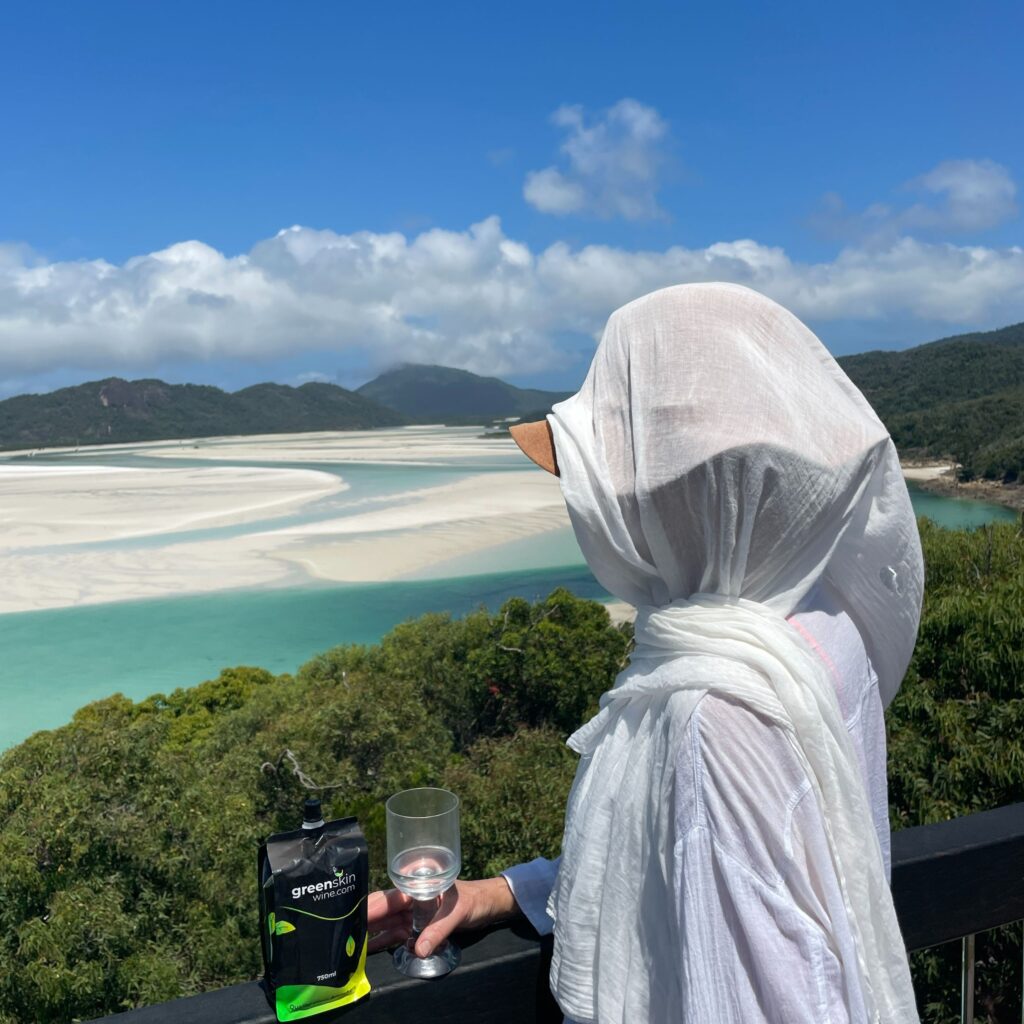
Rosé has long been the drink of summer, crisp, refreshing, and irresistibly photogenic.
But beyond the pink hues and sunset sips, there’s a fascinating process that gives Rosé its signature colour, flavour, and style.
So, what exactly is Rosé wine, and how is it made? Let’s lift the lid (or twist the cap) on this blushing beauty.
Rosé sits somewhere between red and white wine, quite literally.
It’s made primarily from red grape varieties, but unlike red wine, the juice spends only a short time in contact with the grape skins. This brief encounter gives Rosé its delicate pink tint and light, vibrant character.
While it’s often thought of as a “blend” of red and white wines, true Rosé is not a mix. (That technique is mostly used in Champagne production, and even then, it’s the exception rather than the rule.)
Instead, Rosé is a deliberate, skilful expression of red grapes treated with a lighter touch.
There are three main methods winemakers use to craft Rosé, each creating a slightly different style and personality.
Our Greenskin Rosé takes a beautifully minimalist approach. Using the Direct Pressing method, it’s made from red grapes with their skins removed early, essentially creating red grapes made in a white wine style.
This gentle handling produces a soft, pale pink wine that’s elegant, crisp, and bursting with fresh berry flavours, the perfect expression of Western Australia’s cool coastal vineyards. It’s delicate yet vibrant, a dry Rosé designed for long lunches, beach sunsets, and anywhere the good times roll.


Almost any red grape can be used, but popular choices include Grenache, Syrah (Shiraz), Mourvèdre, Pinot Noir, Sangiovese, and Cabernet Sauvignon.
Our current 2025 Rosé is made from Shiraz/Syrah grapes. it is beautifully crafted by the talented winemaker Japo Dalli Cani from McHenry Hohnen Vintners in Margaret River, WA.
The grape variety and winemaking region play a huge role in shaping the flavour profile, from bone-dry, citrusy Rosés in France and Australia to fruitier, juicier styles from California and Spain.
Here in Western Australia, the Margaret River region produces some of the finest Rosés in the country – fresh, aromatic, and bursting with red berry fruit, citrus zest, and a whisper of savoury spice.
Don’t be fooled by the pretty pink colour, most Rosés are dry!
The sweetness level depends on when the fermentation is stopped. In dry Rosés, the yeast consumes almost all the natural grape sugars, leaving a crisp, refreshing finish.
In sweeter styles, fermentation stops earlier, retaining some residual sugar for a juicier, more luscious sip.
Rosé is best served chilled, around 8-12°C. It’s the ultimate picnic, poolside, or sunset companion, pairing beautifully with seafood, charcuterie, spicy dishes, and even creamy cheeses.
And, of course, it’s made for enjoying anywhere, from the beach to the bush, especially when it’s conveniently packed in a Greenskin Wine pouch.
Rosé may look carefree, but it’s the result of thoughtful craftsmanship and precision.
Whether pale and elegant or punchy and fruit-forward, it’s a wine that celebrates fun, flavour, and versatility in every glass – or pouch.
So next time you pour a glass of pink perfection, you’ll know exactly what makes Rosé so irresistible.

Mike and Kim
PS: Want to know why some wines give you a headache? Read the full blog here.
We stand firmly behind the quality of our wines and offer our money-back guarantee – your ticket to a risk-free wine adventure. See full details here Quality Assurance Guarantee.
Want to know more?