Sulphites have a reputation problem.
Mention the word and many wine drinkers immediately think of headaches, allergies or “bad wine reactions.” But sulphites have been part of winemaking for centuries, and most of what we hear about them is either exaggerated or misunderstood.
So what are sulphites, what do they actually do in wine, and are they something to worry about?
Let’s clear the air.
Sulphites are compounds derived from sulphur dioxide (SO₂). In wine, they act as an antioxidant and preservative, helping protect the wine from oxidation and unwanted microbial activity.
Put simply, sulphites help wine stay fresh, stable and drinkable.
They occur naturally during fermentation; every wine contains some sulphites, whether they’re added or not. Winemakers may also add small, controlled amounts at different stages of production to protect quality, particularly during transport, storage and ageing.
Wine is a living product. Without protection, it can oxidise, spoil or develop off-flavours.
Sulphites help by:
.
Used thoughtfully, sulphites don’t mask flavour, they protect it.
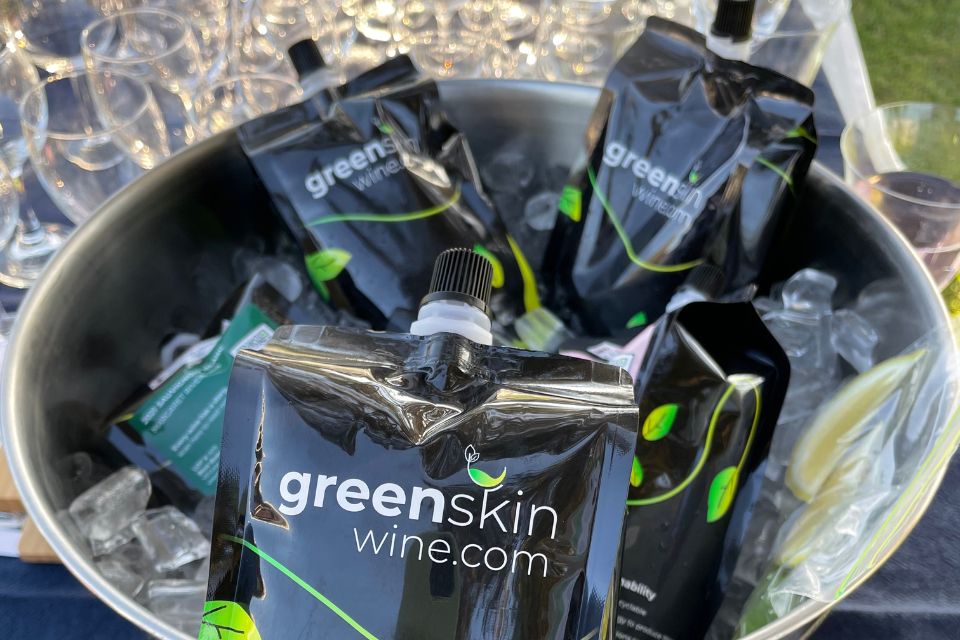
At Greenskin Wine, sulphite use is kept deliberately low and purposeful.
The only sulphite our winemakers use is sulphur dioxide, applied solely as an antioxidant and preservative. There are no additional sulphite compounds or unnecessary additives.
The maximum level of sulphur dioxide in any Greenskin Wine at filling is 39 parts per million (ppm).
Over time, this level naturally decreases. After around one year, sulphite levels typically sit at approximately 19 ppm.
These levels are well within Australian standards and align with the accepted methodology for producing premium wines in Australia, wines that are stable, expressive and true to style.
This is where myth and science often diverge.
There is no strong evidence that sulphites cause headaches in the general population. In fact, many everyday foods contain significantly higher levels of sulphites than wine, including dried fruit, cured meats and packaged salads, without attracting the same concern.
Dehydration, alcohol itself, histamines, tannins and drinking speed are far more likely contributors to wine-related headaches than sulphites.
That said, a small percentage of people – particularly those with asthma – can be sensitive to sulphites. For them, higher levels may cause respiratory symptoms. This is why sulphites must be declared on wine labels above a certain threshold.
In Australia, wines must state “contains sulphites” if sulphite levels exceed 10 ppm.
Most wines – including organic and so-called “natural” wines – cross this threshold, because fermentation alone produces sulphites. Seeing this statement on a label doesn’t mean the wine is heavily treated. It simply means it complies with labelling requirements.
Some winemakers aim to minimise added sulphites, or avoid adding them altogether. These wines can be expressive and engaging, but they’re also more fragile.
Without sulphite protection, wines are more vulnerable to:
.
This isn’t a flaw – it’s a stylistic choice – but it does mean freshness, storage and transport become even more critical.
For the vast majority of people, sulphites in wine are not harmful.
Your body naturally processes small amounts of sulphites every day, and the levels found in wine are considered safe by food and health authorities worldwide.
If you know you’re sulphite-sensitive, choosing lower-sulphite wines and paying attention to how your body responds is sensible. Otherwise, there’s no need to avoid wine purely because of sulphites.
Sulphites aren’t the enemy of good wine. They’re one of the tools that help ensure the wine you open tastes as the winemaker intended – fresh, balanced and enjoyable.
Used with restraint and intent, sulphites protect quality rather than compromise it.
So should you worry? For most wine drinkers, no. Understanding sulphites is far more useful than fearing them, and often leads to a more confident, relaxed glass of wine.
Cheers to that!

Mike and Kim
PS: Want to know why some wines give you a headache? Read the full blog here.
We stand firmly behind the quality of our wines and offer our money-back guarantee – your ticket to a risk-free wine adventure. See full details here Quality Assurance Guarantee.
Want to know more?

Under the Liquor Control Act 1988, it is an offence for a person under the age of 18 years to purchase, or attempt to purchase, liquor on licensed or regulated premises. It is against the law to sell or supply alcohol to, or obtain alcohol for, anyone under 18 years.
Special Facility Licence number: 609214706320 | Licensee: Nandi Valley Pty Ltd. | Unit 1/52 Pakenham St, Fremantle, WA 6160.