Two wines can be made from the same grape, by the same winemaker, using the same techniques – and still taste completely different.
The reason almost always comes back to one thing: where the grapes were grown.
Understanding how climate and altitude affect wine helps explain why two wines can taste completely different, even when everything else is the same.
Climate, altitude, and the conditions around the vineyard play a far bigger role in how a wine tastes than most people realise. They influence everything – from acidity and flavour to texture and structure.
Once you understand how these factors work, it becomes much easier to predict what you’ll enjoy in the glass – and why regions like Margaret River and the Great Southern consistently produce wines with such balance and clarity.

Climate refers to the overall temperature and weather patterns of a wine region across the growing season.
In broad terms, wine regions fall into three categories:
.
Cooler climates tend to produce wines with higher acidity, lower alcohol and more restrained fruit flavours. Warmer climates usually deliver riper fruit, fuller body and higher alcohol.
But it’s not as simple as hot versus cold.
In cooler climates, grapes ripen slowly. This allows them to retain natural acidity and develop complex aromatics without accumulating too much sugar.
You’ll often find:
.
In warmer climates, grapes ripen faster and more fully, leading to:
.
Neither is better. They’re simply different expressions of place.
Altitude refers to how high vineyards sit above sea level, and it plays a subtler but crucial role.
Higher-altitude vineyards experience cooler temperatures, especially at night. This diurnal shift – warm days followed by cool nights – slows sugar accumulation while preserving acidity.
The result is often:
.
Lower-altitude vineyards, particularly in warmer regions, tend to produce rounder, more generous wines with softer edges.
The most compelling wine regions balance climate and altitude rather than relying on one alone.
A warm region with cooling influences – elevation, ocean breezes, or latitude – can produce wines with both ripeness and freshness. This balance is often where complexity shines.

Western Australia is uniquely placed in this regard.
Regions like Margaret River combine a temperate climate with strong maritime influences and long, even growing seasons. Cooling ocean breezes moderate summer heat, while extended ripening allows flavour development without sacrificing acidity.
The Great Southern, with more variation in altitude and a greater diurnal range, offers conditions particularly well suited to varieties like Pinot Noir and Riesling.
This is why wines from these regions are known for:
All Greenskin Wines are sourced from the world-renowned Margaret River and Great Southern wine regions of Western Australia – areas celebrated for producing wines of precision rather than excess.
The climate in these regions supports wines that are fresh, structured and expressive, while altitude and maritime influence help maintain vibrancy and line.
In practical terms, this means:
.
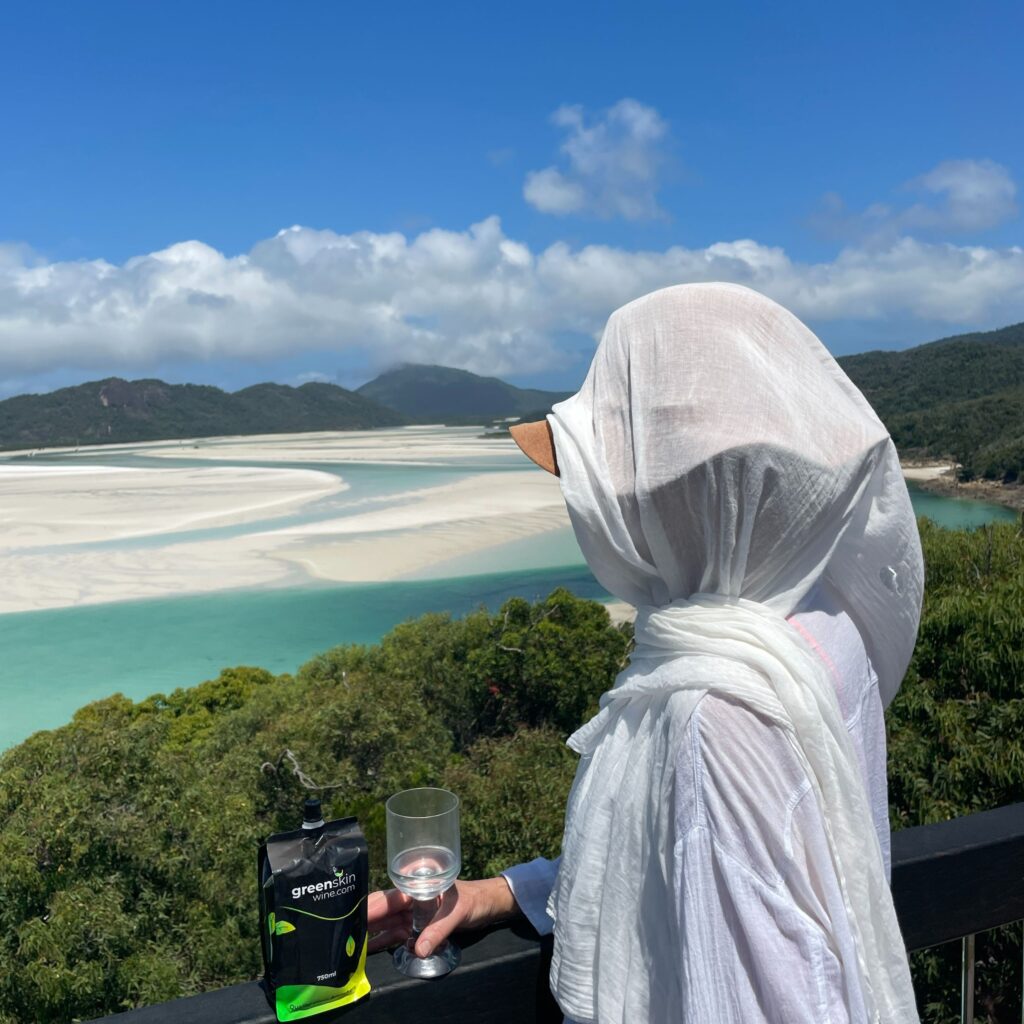
These are wines designed for versatility – whether that’s at the table, on the road, or somewhere well off the beaten track.
If you enjoy fresher styles with lift and tension, look for wines from cooler or maritime-influenced regions.
If you prefer richer, more generous wines, warmer inland regions may be more your style.
Knowing where a wine comes from gives you a powerful clue about how it will taste – even before you pour a glass.

Where your wine is grown doesn’t just influence it – it defines it.
Climate and altitude shape how grapes ripen, how flavours develop, and how a wine feels in your glass. Understanding these factors adds context to what you’re tasting and helps explain why certain regions consistently deliver wines with character and balance.
Once you start paying attention to place, wine becomes far more than a label – it becomes a story of landscape, weather and time.
Cheers,

Mike and Kim
We stand firmly behind the quality of our wines and offer our money-back guarantee – your ticket to a risk-free wine adventure. See full details here Quality Assurance Guarantee.
Want to know more?