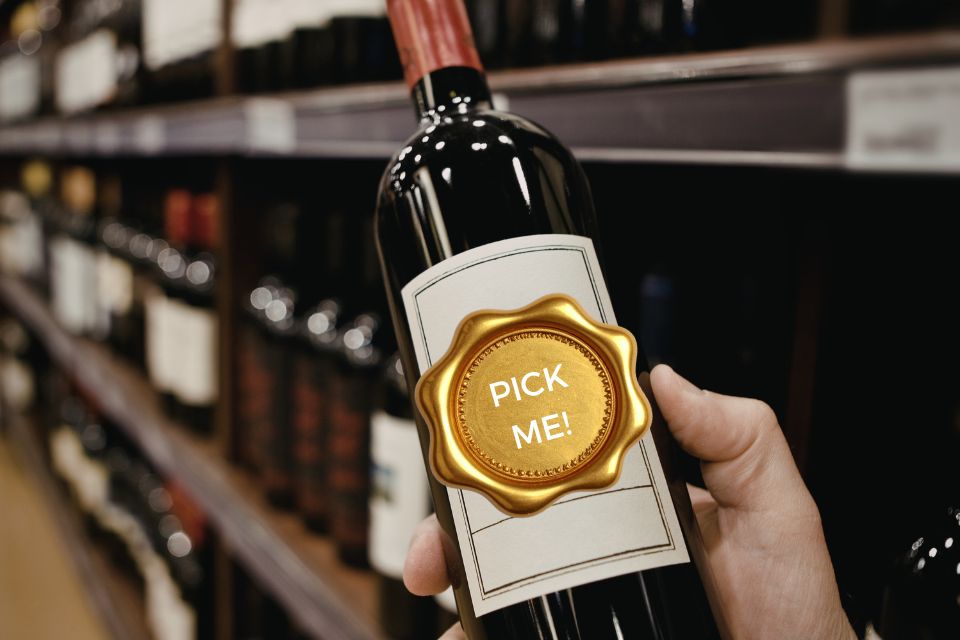
Wine shelves don’t whisper anymore – they shout.
Medals, stickers, and trophies crowd the labels, each one claiming a reason to choose that bottle over the next.
They’re meant to signal quality. To make the decision easier.
But when everything is awarded, does any of it really help – or does it just become visual clutter?
The truth sits somewhere in between.
At their best, wine awards aim to:
.
Most reputable wine shows judge blind. Bottles are wrapped, labels hidden, and wines are assessed side by side by experienced tasters.
In theory, this removes brand, price, and packaging bias.
The challenge is not that awards exist – it’s how many of them there are, and how differently they operate.
Bold, high-impact wines can stand out. Subtle or restrained wines can be overlooked. Neither outcome necessarily reflects how enjoyable a wine is to drink at home.
Used well, awards are a useful filter. A medal generally tells you:
.
What it doesn’t tell you:
.
Awards are a signal, not a guarantee.
This is where consistent, independent wine criticism can be more informative than a single medal.
All Greenskin wines are reviewed by Huon Hooke, one of Australia’s most respected wine writers, critics, educators, and show judges. He is best known for his long-running columns in Sydney Morning Herald’s Good Food and Good Weekend.
Huon’s rating system focuses on balance, structure, varietal integrity, and overall quality – not hype or packaging. Under his reviews, Greenskin wines have received strong scores and multiple medals aligned with his benchmarks.
That consistency matters more than chasing trophies.
That said, many of the winemakers we work with have also collected their share of awards and accolades over time – reinforcing the quality at the source.
A wine can win medals and still disappoint in real-world conditions. Most shows judge wines as a snapshot:
.
They don’t test how a wine holds up over time, or how enjoyable it is when you’re pouring a single glass on a Tuesday night.
This is where Greenskin takes a slightly different approach.
The wines are selected and made to be balanced, drinkable, and stable – then filled into airtight, flexible pouches that minimise oxygen exposure after opening.
That means the wine you enjoy on day one tastes much the same days – or weeks – later. No medal sticker captures that.
They’re helpful if you understand their limits. Wine awards work best as:
.
They fall short as:
.
Used thoughtfully, awards still have value. Used blindly, they can distract more than they inform.
Wine awards aren’t meaningless – but they’re not definitive.
They reward moments in a judging room, not necessarily moments around your table.
When you combine medals with trusted expert reviews, sound winemaking, and how the wine actually performs once opened, the picture becomes far clearer.
And in the end, the most important judge is still the person holding the glass.
Cheers,

Mike and Kim
PS: Want to know How Sulphites Affect Wine – Read the full blog here.
We stand firmly behind the quality of our wines and offer our money-back guarantee – your ticket to a risk-free wine adventure. See full details here Quality Assurance Guarantee.
Want to know more?