Walk into any bottle shop and the signal feels obvious: higher price equals better wine.
It’s a simple equation, and an easy one to trust.
But it’s not entirely true.
Price does matter in wine. It often reflects real decisions made in the vineyard and winery. But it also shapes perception in ways most people don’t realise.
So the better question isn’t just “Is expensive wine better?” It’s “What are we actually paying for?”
Wine pricing is layered.
At one end, higher prices can reflect genuine quality inputs:
.
These factors take time, care, and cost. They often lead to more complex, structured wines.
But price is also driven by factors that don’t directly improve what’s in the glass:
.
A heavier bottle or a well-known label can quietly add dollars without adding flavour.
That’s where things start to blur.
When you strip wine back to blind tastings, the results are consistent.
Most drinkers:
.
Neuroscience explains why.
When people believe a wine is expensive, the brain’s pleasure centres respond more strongly, even if the wine is identical to a cheaper one.
So when someone says a more expensive wine tastes better, they’re not imagining it.
They’re experiencing expectation.
In a market with thousands of choices, price becomes a shortcut.
It offers:
.
That reassurance has value. But it’s different from actual enjoyment.
Expensive wine often delivers confidence more reliably than it delivers better flavour.
This isn’t an argument against expensive wine.
Higher-priced wines can offer:
.
For collectors or those seeking complexity, that matters.
But context matters too.
A quiet dinner, a weekend away, or a glass at the end of the day doesn’t demand prestige. It demands balance, freshness, and drinkability.
And plenty of wines deliver that without the price tag.
One of the biggest distortions in wine is packaging bias.
We instinctively associate:
.
with quality.
And we judge anything outside that, often before tasting it.
But when wines are assessed without visual cues – no label, no bottle, no price -the hierarchy flattens quickly.
What actually matters becomes clear:
.
Everything else is context.
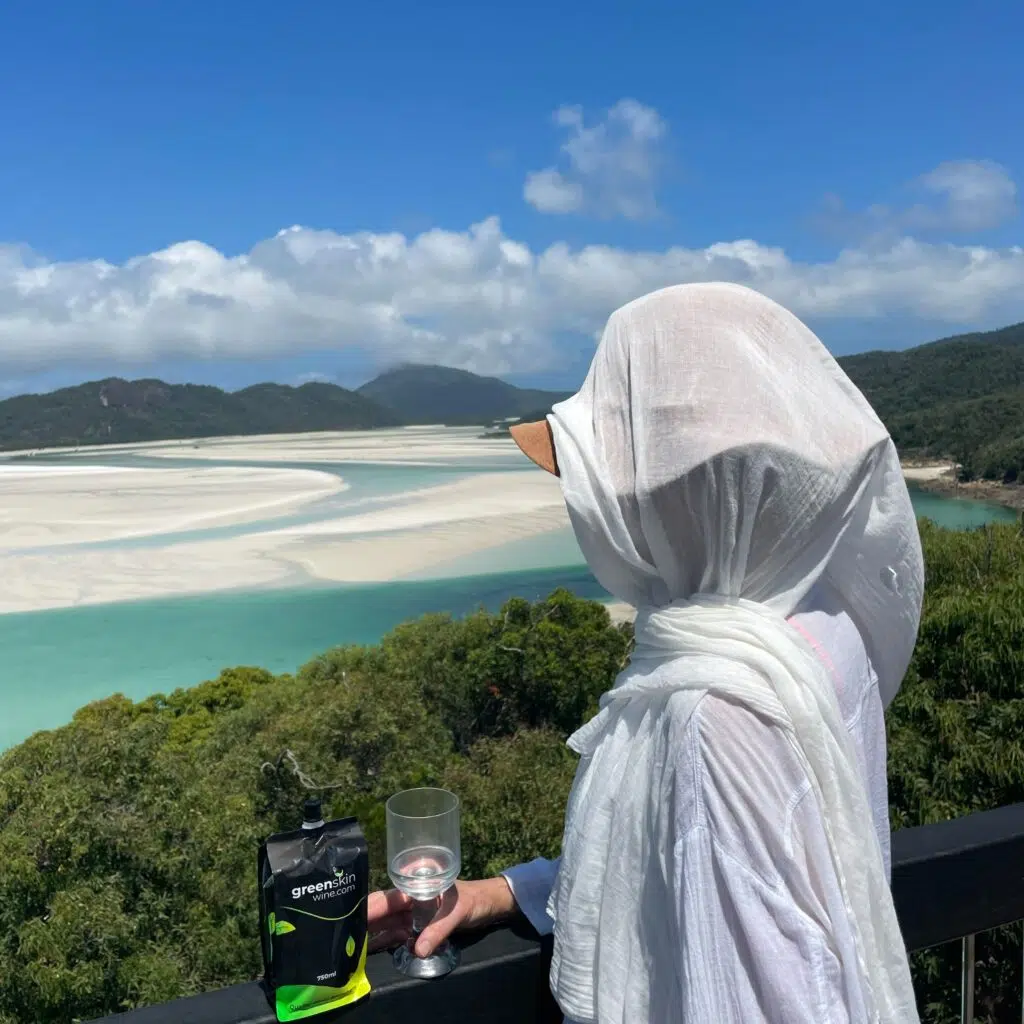
Greenskin Wine deliberately steps away from the usual signals.
Not cheap. Not inflated.
The wines are sourced from premium Western Australian vineyards, made by experienced winemakers, and priced in line with comparable bottled wines.
Each wine is benchmarked against others in its price bracket, including independent reviews from respected critics like Huon Hooke, providing a clear reference point for quality.
The aim is simple: let the wine stand on its own.
Instead of asking:
“Is this wine expensive enough?”
Ask:
“Is this wine well made, and do I actually enjoy drinking it?”
That shift removes a lot of noise.
It also opens the door to better value, and often, better experiences.
Expensive wine doesn’t automatically taste better.
Price reflects a mix of real quality, perception, and positioning.
Expectation, context, and presentation all influence how we experience a wine, sometimes more than the wine itself.
Great wine isn’t always defined by a price tag.
It’s defined by balance, flavour, and how much you enjoy the glass in front of you.
Our theory is simple:
If you like it, drink it. If you don’t, don’t. Here’s cheers to that!

Mike and Kim
PS: Want to know How Sulphites Affect Wine – Read the full blog here.
We stand firmly behind the quality of our wines and offer our money-back guarantee – your ticket to a risk-free wine adventure. See full details here Quality Assurance Guarantee.
Want to know more?

Under the Liquor Control Act 1988, it is an offence for a person under the age of 18 years to purchase, or attempt to purchase, liquor on licensed or regulated premises. It is against the law to sell or supply alcohol to, or obtain alcohol for, anyone under 18 years.
Special Facility Licence number: 609214706320 | Licensee: Nandi Valley Pty Ltd. | Unit 1/52 Pakenham St, Fremantle, WA 6160.